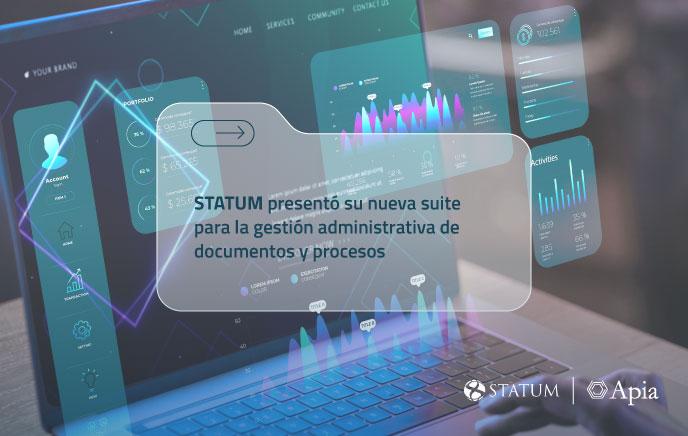
Documentos, carpetas, formas documentales, expedientes o trámites son herramientas de uso extendido en la administración pública. La gran flexibilidad de ApiaDocumentum posibilita la implementación en pocas semanas de la tecnología en organismos y reparticiones de la administración pública de todo tamaño y naturaleza, ya sea en instituciones con elevados niveles de digitalización o en aquellas que aún manejan sus expedientes en papel. Una de las principales fortalezas de esta herramienta es que está montada sobre el BPMS Apia, lo que la sitúa en una inigualable posición de liderazgo respecto a sus competidoras. Son las facilidades de Apia las que hacen extensible el expediente electrónico a sofisticados procesos de ruta fija parametrizables por el usuario e incluyendo gestión documental. Esto hace posible comenzar una implementación con las características básicas del sistema para, después en el proceso de mejora continua, llevar los procesos al siguiente nivel de madurez. La herramienta está diseñada para que diferentes actores del entorno (operacionales, administradores, auditores, gerentes, ciudadanos, representantes) puedan colaborar en un mismo proceso.
ENTORNO DE TRABAJO
Un entorno de trabajo seguro, amigable, intuitivo, personalizable e integrado, 100% Web, con un menú de opciones dependiente del perfil del usuario conectado, propone un conjunto de bandejas de trabajo totalmente dinámicas de las diferentes oficinas y personal de la organización. En la Bandeja de entrada se toman los expedientes y se visualiza su prioridad, confidencialidad, tipo, asunto, número de expediente, oficina, usuario remitente, fecha de envío, área iniciadora y si fue o no abierto. En la Bandeja de salida se encuentran los expedientes que el usuario completó y aún no fueron tomados por el destinatario. Existen otras bandejas como la Bandeja de salida grupal donde se encuentran los expedientes que fueron enviados por personas que pertenecen a los mismos grupos (sectores, grupos de trabajo, nodos de distribución u oficinas).
Los usuarios pueden tomar y trabajar sus documentos haciendo uso de un editor de texto propio o adjuntando otros documentos o imágenes. Pueden completarlos, guardar el avance, liberarlos, delegarlos o elevarlos de acuerdo a la estructura organizacional. La incorporación del uso de firma digital en cada etapa del proceso asegura la autenticación de los usuarios, aportando integridad y validez de las actuaciones. También es posible cambiarle la prioridad y confidencialidad a los expedientes dependiendo el grado de jerarquía de la persona que está trabajando.
MONITOREO, ANÁLISIS Y OPTIMIZACIÓN
ApiaDocumentum provee un conjunto de consultas sobre la información de gestión y de auditoría pre-establecidas tales como situación actual de un documento (ubicación, estado, usuario que está actuando, etc.), carátula y recorrido. Además, podrán consultarse todas las acciones realizadas por un usuario y los datos involucrados, acciones realizadas sobre un documento específico y consultas realizadas (qué consulta, quién y cuándo la hizo). Los resultados de estas consultas pueden ser exportados a diferentes formatos como xls, pdf, csv, rtf, xml.
La herramienta cuenta con un generador de consultas totalmente configurable que incluye filtros, columnas y acciones con las filas resultantes siempre teniendo en cuenta la confidencialidad de la información. Los resultados de las consultas pueden visualizarse en grillas o en gráficos.
ApiaDocumentum cuenta con modelos analíticos que contienen la información de los procesos y documentos. Estos modelos se soportan en tecnologías de “Business intelligence” y ofrecen cubos y vistas que contienen medidas (cantidades, plazos y promedios) y dimensiones (procesos, tareas, grupos de trabajo, usuarios, fechas de inicio y fin, prioridad) totalmente configurables por el usuario. Estos resúmenes reflejan patrones de comportamiento y estadísticas necesarias para una correcta toma de decisiones por parte de los gerentes.
diseño
ApiaDocumentum contiene un módulo altamente parametrizable con herramientas para el diseño de procesos, formas documentales de cualquier tipo y formularios, permitiendo una adecuada gestión de roles, grupos de trabajo y estructura organizacional. La herramienta permite configurar consultas y reportes (on-line y off-line) utilizando datos manejados por los procesos y por aplicaciones externas. Como valor agregado cuenta con la capacidad de generación automática de la documentación que contiene los gráficos de los procesos y formularios definidos e información acerca de los procesos, tareas y reglas de negocio.